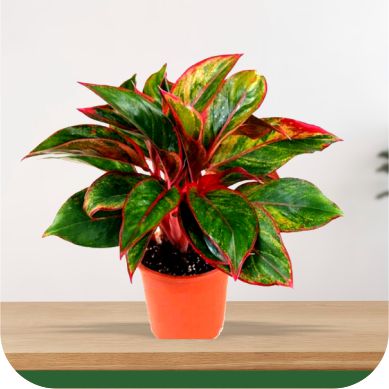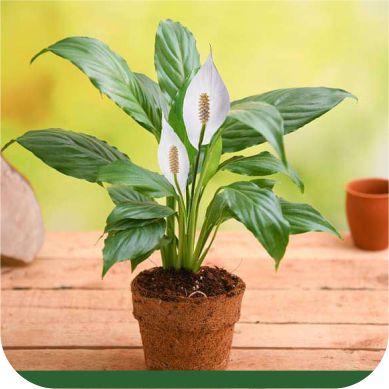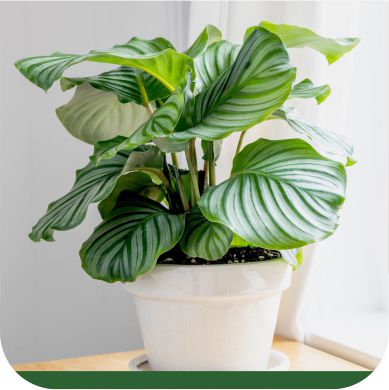



Plants are natural air purifiers, known for their ability to absorb toxins and release oxygen through photosynthesis. Indoor air pollution caused by everyday items such as cleaning products, furniture, and electronics can lead to various health issues. By introducing plants into your space, you create a natural and effective way to cleanse the air, promoting a healthier environment for you and your family.
Numerous studies have shown that spending time in nature or even just looking at natural scenery can reduce stress, anxiety, and improve overall mental well-being. Bringing nature indoors with plants extends these benefits to your indoor environment. The presence of greenery has been linked to lower stress levels, improved mood, increased productivity, and even faster recovery times in hospital settings.
Bringing plants indoors helps bridge the gap between the urban lifestyle and the natural world. Even if you live in a concrete jungle, having living organisms around you fosters a sense of connection to the environment. Nurturing and caring for plants provides a tangible link to the rhythms of nature, reminding us to slow down and appreciate the simple things in life.
Plants can also have a positive impact on indoor airflow and acoustics. Larger plants, such as palms and ferns, can act as natural screens, diffusing sound and reducing noise pollution. Moreover, strategically placed plants can guide and improve the circulation of air within a room, creating a more comfortable and refreshing atmosphere.