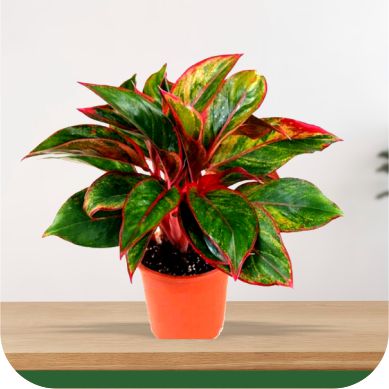
Green Library: A Guide to Caring for Your Plants
In the bustling world we live in, finding solace in nature is becoming increasingly essential. One way to bring the calming presence of the outdoors indoors is by creating a “Green Library” – a collection of thriving plants that not only beautify your living space but also contribute to a healthier environment. However, like any library, your Green Library requires attention, care, and a bit of know-how. In this article, we’ll explore essential tips for keeping your indoor plants vibrant and thriving.
1. Choose the Right Plants
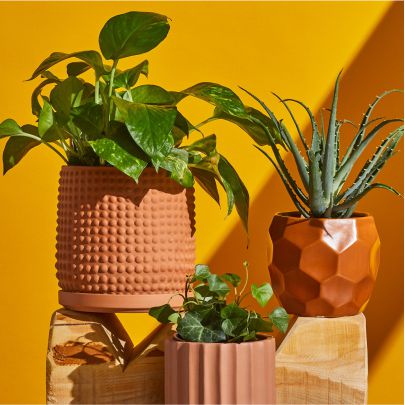
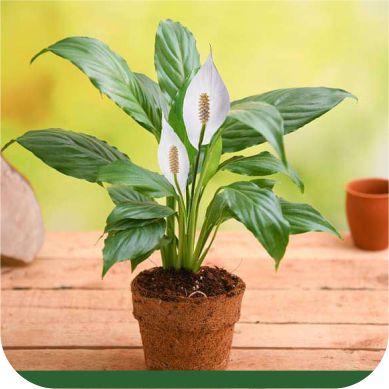
Not all plants are suited for indoor environments, and your choice of plants can significantly impact their success. Research the lighting conditions, temperature preferences, and humidity requirements of different plant species. Some popular indoor plants include the pothos, snake plant, peace lily, and spider plant, which can tolerate a range of conditions and are relatively low-maintenance.
2. Understand Lighting Needs
Light is crucial for photosynthesis, the process by which plants convert light into energy. Place your plants strategically to ensure they receive the appropriate amount of light. Different plants have varying light requirements:
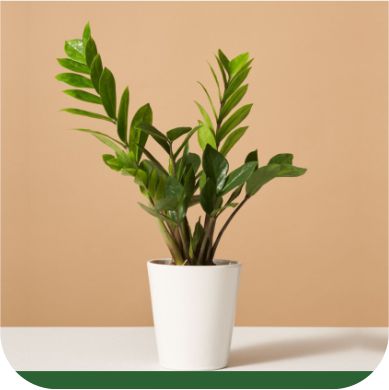
- Low Light: Plants like snake plants and ZZ plants thrive in low light conditions, making them perfect for rooms with minimal natural light.
- Medium Light: Many common houseplants, including pothos and philodendrons, do well in medium light environments with filtered sunlight.
- Bright Indirect Light: Plants such as ferns and peace lilies prefer bright, indirect light. Placing them near a north or east-facing window is ideal.
3. Watering Wisely
Overwatering is a common mistake in plant care. The key is to maintain a balance – not too much, not too little. Factors like plant type, pot size, humidity, and the season influence how often you should water. As a general rule, water your plants when the top inch of soil feels dry to the touch. Use well-draining pots and saucers to prevent waterlogging.
4. Humidity Matters
Many indoor plants originate from tropical climates with higher humidity. To mimic their natural environment, consider these steps:
- Group plants together: Plants release moisture through a process called transpiration. Grouping them can create a more humid microenvironment.
- Use a humidity tray: Place a tray filled with water and pebbles near your plants. As the water evaporates, it increases the humidity around the plants.
- Mist the leaves: Spraying the leaves with water can help increase humidity, but avoid misting plants prone to fungal diseases.
5. Fertilize Regularly
Indoor plants rely on you for nutrients. Use a balanced, water-soluble fertilizer during the growing season (spring and summer) to provide essential nutrients. Follow the instructions on the fertilizer package to avoid overfeeding, which can harm your plants.
6. Pruning and Maintenance
Regularly inspect your plants for yellowing leaves, brown spots, or pests. Prune dead or damaged leaves to encourage new growth. Keep an eye out for pests like aphids and mealybugs, and address them promptly with natural or chemical remedies.
Main questions:
- What plants are suitable for an indoor Green Library?
- What is the role of fertilization in plant care?
- How can I create a suitable humidity environment for indoor plants?
- How can I make my Green Library an attractive part of my home décor?
Conclusion
Creating a Green Library in your living space can be an enriching and fulfilling experience. The act of caring for plants offers a sense of connection with nature and can even reduce stress. Remember, each plant is unique, so don’t be discouraged by occasional setbacks. With the right knowledge and a little bit of dedication, your Green Library will flourish and provide you with a serene and vibrant indoor oasis.