Assessing Your Space
Before embarking on your balcony nursery journey, assess the available space. Consider factors like sunlight, wind patterns, and the size of your balcony. Based on these factors, you can determine which types of plants will thrive and where to place them.
Choose plants that are well-suited to your balcony’s conditions. Opt for compact and dwarf varieties of flowering plants, herbs, succulents, and even small fruit trees if your space allows. Consider vertical gardening techniques to maximize space, such as hanging baskets, trellises, and wall-mounted planters.
Soil and Fertilizers
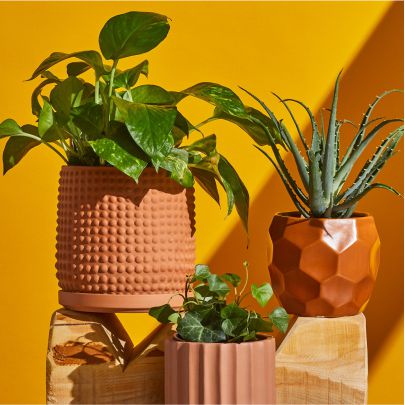
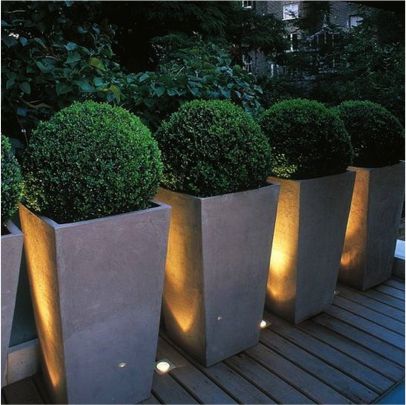
Select containers that not only complement your balcony’s aesthetic but also provide adequate space for plant growth. Choose containers with good drainage to prevent waterlogging and root rot. Mix and match containers of different sizes and heights for visual interest.
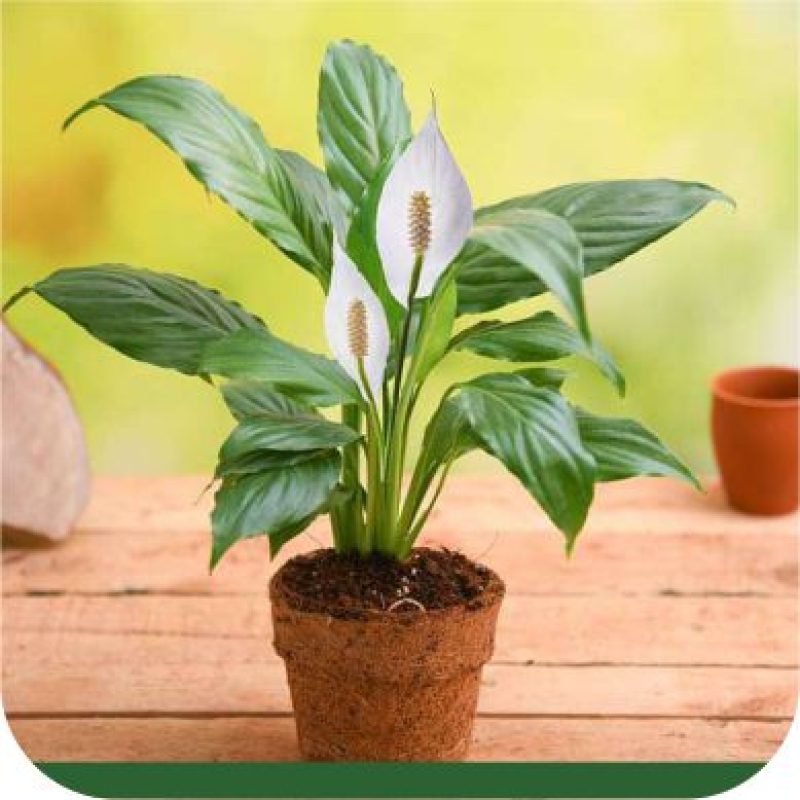
Use high-quality potting mix tailored to the needs of your chosen plants. As balcony plants are confined to containers, they rely on you for nutrients. Regularly feed them with balanced, slow-release fertilizers or organic alternatives to ensure healthy growth and vibrant blooms.
Sunlight Management & Watering Wisely
Understand the sunlight conditions your balcony receives. South-facing balconies typically get the most sun, while north-facing ones might have more shade. Choose plants that match the available light and use shading techniques like sheer curtains or awnings if necessary.
Balcony plants are more susceptible to drying out due to their exposure to wind and sunlight. Water them consistently, but avoid overwatering. Check the moisture level by touching the soil, and adjust your watering schedule accordingly.